 Monday, July 27, 2026
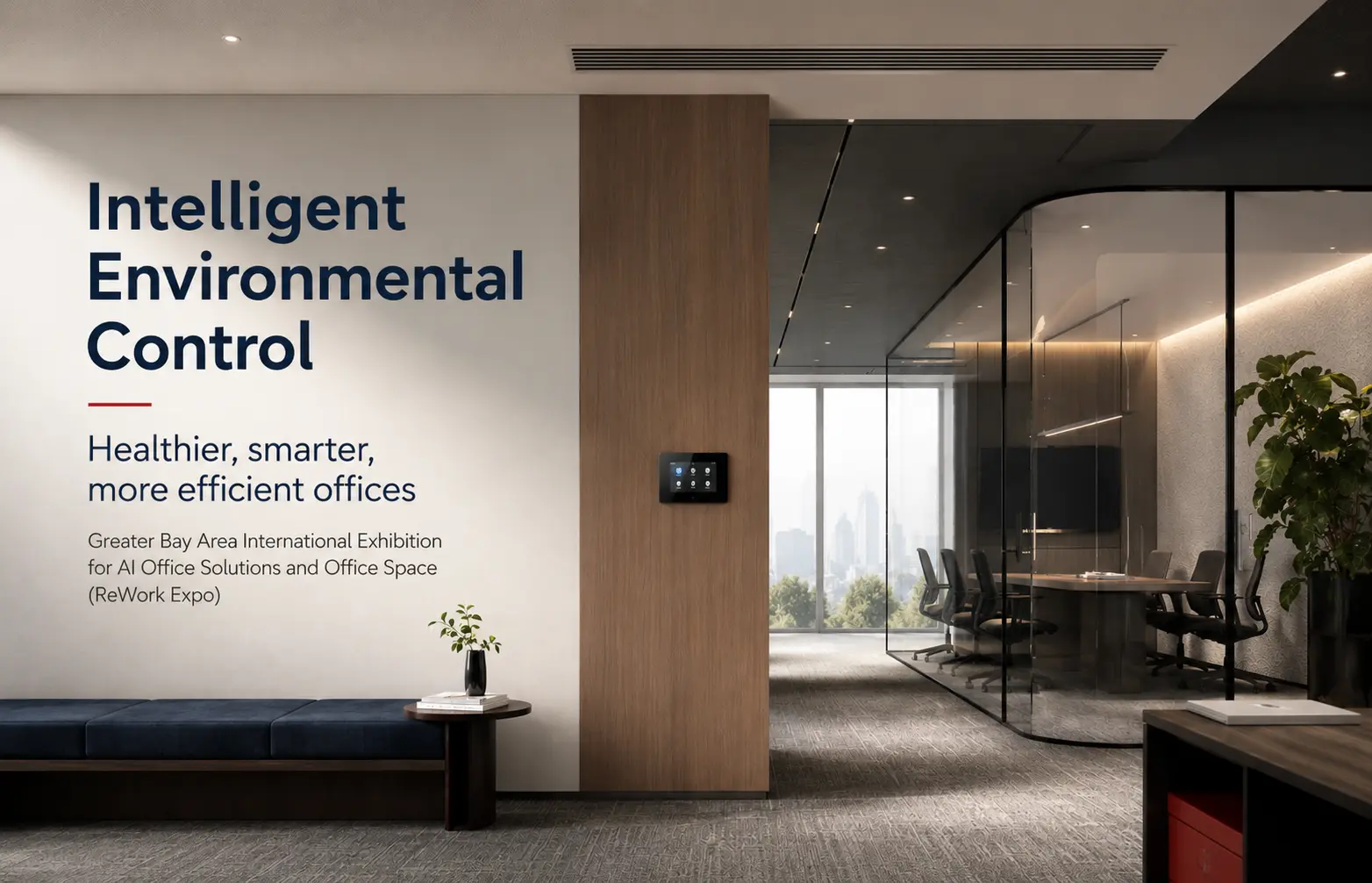
Redefining the Workplace: Intelligent Environmental Control Makes Offices Healthier, Smarter and More Efficient
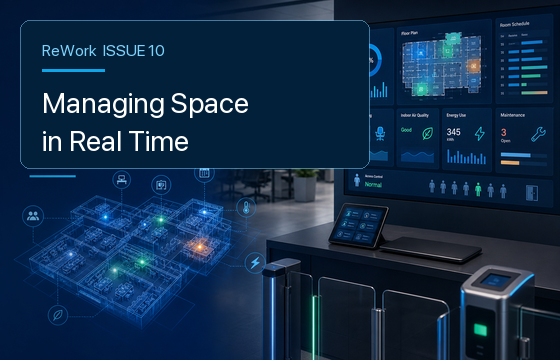
Intelligent Environmental Control: The next layer of workplace experience. Last week, Issue 10 of the Redefining the Workplace series explored smart space management, showing how offices can use occupancy, booking, access, device and service data to understand how space is being used in real time. Once an office can see where people are, which rooms are active and how spaces are being scheduled, the next question becomes practical: can the indoor environment respond to real usage as well? This week, Issue 11 turns to Intelligent Environmental Control. This category is not limited to air conditioning, lighting or a single sensor. It is the integrated capability that connects building systems, environmental sensing, lighting, shading, fresh air, acoustic comfort, energy management and workplace experience. For the Greater Bay Area International Exhibition for AI Office Solutions and Office Space (ReWork Expo), intelligent environmental control is an important part of how future offices move from usable spaces to healthier, more comfortable and more sustainable workplace systems.
What Is Intelligent Environmental Control?
Intelligent Environmental Control refers to the use of temperature and humidity sensors, carbon dioxide and air quality monitoring, lighting and daylight sensing, acoustic monitoring, smart HVAC and fresh air systems, shading control, energy management platforms and building automation systems to monitor, coordinate and optimize the workplace environment in real time.
The focus is not only whether equipment is running. It is whether the space feels suitable for the people and activities inside it.
Is the temperature stable? Is the air fresh? Is the lighting right for focused work, presentations and video meetings? Is noise affecting communication? Are fresh air, air conditioning and lighting responding to actual occupancy? Is energy being used in empty areas?
In many traditional offices, these issues are handled through manual feedback. Employees complain that an area is too hot or too cold. Meeting rooms become stuffy before anyone adjusts ventilation. Lighting is changed by switches. Air conditioning follows fixed schedules that may not match actual occupancy, weather or meeting patterns.
The core value of intelligent environmental control is to move workplace comfort from after-the-fact complaints toward real-time sensing and proactive adjustment.
Six dimensions define this category.
Thermal Comfort and Zoned Climate Control
An office is not one uniform environment. Window-side workstations, interior desk areas, meeting rooms, phone booths, pantry areas, showrooms and corridors all have different needs. Intelligent climate control can combine indoor and outdoor temperature, occupancy density, room booking, sunlight and equipment status to manage zones more precisely.
This allows offices to move beyond one fixed temperature for an entire floor. HVAC, fresh air and terminal devices can be optimized according to where people are, when the area is used, how long it is used and whether the current conditions are comfortable. For companies, this affects both employee experience and energy performance.
Air Quality and Fresh Air Coordination
Meeting rooms, training rooms, enclosed phone booths and dense office areas can quickly experience higher carbon dioxide levels and poorer air circulation. By monitoring CO2, PM2.5, TVOC, humidity and airflow, intelligent environmental control makes indoor air quality visible.
When occupancy rises, air quality declines or outdoor conditions change, fresh air, exhaust, purification and HVAC systems can work together. For employees, this can reduce fatigue during long meetings. For managers, air quality becomes a continuous operating metric instead of a subjective complaint.
Smart Lighting and Daylight Use
Office lighting is not only about brightness. Focus work, brainstorming, video meetings, presentations, reception areas and casual collaboration require different levels of brightness, color temperature, glare control and atmosphere.
Smart lighting can adjust according to presence, daylight, time of day, meeting mode and space function. Companies such as Signify, Lutron and Crestron represent different parts of the smart lighting and space control market. In future offices, lighting will act more like a scene infrastructure than a simple on and off function.
Acoustic Comfort and Privacy
Open offices support communication, but they can also create noise, distraction and privacy challenges. Acoustic management can include noise monitoring, sound-absorbing materials, acoustic zoning, sound masking systems and better meeting room planning.
Hybrid work has increased the importance of video meetings, phone booths and small meeting rooms. A space that is suitable for meetings is not defined only by screens and cameras. It also depends on whether sound is clear, outside disturbance is controlled and meeting content remains private.
Energy Monitoring and Building Integration
Companies are paying closer attention to sustainable workplace operations. Intelligent environmental control can connect HVAC, lighting, fresh air, shading, power, water use and equipment status into one platform, then adjust operations based on occupancy, bookings, weather and business hours.
Platforms such as Johnson Controls OpenBlue, Siemens Building X, Honeywell Forge and Schneider Electric EcoStruxure represent the direction of smart buildings and digital facility management. Together, they point to a shift in office environmental control. The goal is not simply to turn equipment on. It is to manage comfort, safety, energy and operations within one connected system.
Feedback and Continuous Optimization
Environmental comfort is difficult because people do not all feel comfort in the same way. A smart system cannot rely only on device parameters. It also needs space usage data, employee feedback, complaint records, maintenance tickets, energy curves and seasonal changes.
Which meeting rooms experience the fastest air quality decline? Which areas are often reported as too cold? Which time slots show lighting energy use that is higher than actual demand? Which floors continue running at full load when few people remain? Once these questions are measured, workplace environmental management becomes reviewable, adjustable and more predictable.
Who Is Shaping This Space?
- Johnson Controls OpenBlue, Siemens Building X, Honeywell Forge and Schneider Electric EcoStruxure represent smart building, facility management, energy management and building automation platforms.
- Signify, Lutron and Crestron represent smart lighting, scene control and workplace experience systems.
- Air quality monitoring providers such as Kaiterra, Awair and Airthings are helping make indoor air data more visible for healthy workplace scenarios.
- Energy management providers such as Verdigris and GridPoint focus on electricity monitoring, energy optimization and facility operations.
- Chinese technology providers such as Tuya Smart, Huawei Digital Power, Alibaba Cloud, Hikvision and Dahua are also contributing to IoT sensing, smart campus management, building control, security integration and office space intelligence.
- Intelligent environmental control is not about adding more devices to an office. It is about creating a clearer relationship between devices, spaces and users.
- In the past, many environmental issues in offices were invisible. Employees felt uncomfortable, but the system did not know why. Meeting rooms became stuffy, but managers had no continuous data. Energy use was high, but it was difficult to locate where waste was happening.
- Intelligent environmental control makes these issues visible and gives companies a more precise way to improve both experience and operational efficiency.
Why Does This Matter for ReWork Expo?
ReWork Expo is not only about abstract future workplace concepts. It looks at how future office scenarios are implemented through real enterprises, real spaces and real devices.
At the Greater Bay Area International Exhibition for AI Office Solutions and Office Space (ReWork Expo), intelligent environmental control connects directly with several earlier categories in the series.
AI collaboration software helps companies understand schedules, meetings and work patterns.
Smart meeting systems create higher requirements for air, lighting, acoustics and device reliability.
Intelligent office furniture makes individual workstations and collaboration settings more flexible, which also requires finer environmental adaptation.
Hybrid workplace solutions need consistent experience across headquarters, satellite offices and shared spaces.
Workplace planning and design shape daylight, movement, acoustics and device placement.
Smart office commercial real estate provides building-level energy, equipment and operations infrastructure.
Flexible business space operations require space experience to change according to tenants, services and time slots.
Smart space management provides occupancy, booking and service data, allowing environmental control to operate based on real demand.
If smart space management answers how space can be seen and coordinated, intelligent environmental control answers how space can remain comfortable, healthy and efficient across different times, users and scenarios.
At ReWork Expo this October, expect:
- Temperature, humidity and zoned HVAC control showing how areas can respond to occupancy, schedules and room bookings.
- Air quality and fresh air coordination showing how CO2, PM2.5 and TVOC data can trigger ventilation, purification and exhaust strategies.
- Smart lighting and scene control showing office, meeting, presentation and reception modes.
- Acoustic comfort and meeting privacy solutions for open offices, phone booths and meeting rooms.
- Energy and building automation platforms showing how HVAC, lighting, fresh air, shading and equipment energy use can be managed together.
- Environmental analytics dashboards showing how companies can improve offices through environmental data, space data and employee feedback.
Across the Redefining the Workplace series, eleven categories have moved from office equipment and collaboration software to meetings, furniture, workplace design, commercial real estate, flexible operations, space management and environmental control.
Together, they point to one question: how can future offices become more efficient, healthier, more flexible and more sustainable?
Intelligent environmental control offers one answer. The workplace environment is no longer only a background condition. It becomes part of the employee experience. Space is no longer only used. It can be sensed, adjusted and optimized.
Stay tuned. The future of work unfolds every Monday.
Event Details
Exhibition: RemaxWorld Expo 2026 (20th Anniversary)
Feature Zone: Greater Bay Area International Exhibition for AI Office Solutions and Office Space (ReWork Expo)
Dates: October 15-17, 2026
Location: Zhuhai International Convention and Exhibition Center
Stay tuned. The future of work unfolds every Monday.
Pre-registration is open! REGISTER NOW to secure your spot at the show.
For questions or more information, contact us at RemaxWorld@RTMworld.com
We look forward to welcoming global industry professionals to Zhuhai.

Related:
Redefining the Workplace: Smart Space Management Turns Flexible Offices Into Real-Time Systems
July 20 Deadline Approaches for the 2026 RT Global Imaging Industry Awards
Final Week Begins for the 2026 RT Global Imaging Industry Awards Nominations
Redefining the Workplace: Offices Are Becoming On-Demand Services
Three Award Categories Spotlight Sustainability and Global Brand Strength
Self-Nominations Encouraged for the 2026 RT Global Imaging Industry Awards
Redefining the Workplace: Buildings Are Learning to Operate Themselves
Three Standout Categories of RT Global Imaging Industry Awards 2026
Redefining the Workplace: Your Office Is No Longer Just a Room
The AI Battlefield Is No Longer Confined to the Office
Redefining the Workplace: Your Desk Is Now Smarter Than You Think
Redefining the Workplace: Your Colleague Might Not Be Human Anymore
Redefining the Workplace: Your Mouse Just Got a Whole Lot Smarter
AI + Space: The Future of Work
RemaxWorld 2026: A New Chapter Begins
Celebrating the Success of RemaxWorld Expo 2025
Industry Future Discussed on Day 2 of RemaxWorld Summit 2025
RemaxWorld Summit 2025 Sparks Global Dialogue in Day One
13 Winners Announced for RT Global Imaging Industry Award 2025
Thousands Gather for Innovation and Networking at RemaxWorld Expo 2025
RemaxWorld Expo 2025 Is Ready to Welcome You!
10-Day Countdown Checklist for RemaxWorld Expo 2025
Surprises Never End as RemaxWorld Countdown Closes to End
Industry Views from RemaxWorld Expo Global Visitors
Free Lunch On Us, VIP Fun For You, and Hotel Picks!
30 Days to THE SHOW! Theme for This Week Lucky Draw Unveiled!
Explore Top Exhibitors and Innovations at RemaxWorld Expo 2025
Amazon to Share Global Vision for the Future Workplace at RemaxWorld Summit 2025
Countdown to the SHOW – 6 Weeks of Surprise Gifts Starts Today!
AI is Reshaping the Future of Printing
Your Travel Guide to RemaxWorld Expo 2025 in Zhuhai
First Wave of Exhibitors at the World’s Largest Printing Expo Revealed
Unlock Your VIP Benefits at the Printing Industry’s Biggest Event – RTM World
Hotel Booking Now Open for RemaxWorld Expo 2025!
Big Rewards Are Coming This August!
Final Day to Nominate for the RT Global Imaging Industry Awards
Visitor Interview|Changing Russian Printing Market
Visa-Free Entry to China Now Easier Than Ever
RT Global Imaging Industry Awards Call for Nomination
Nominations Now Open for the 2025 RT Global Imaging Industry Awards
Comment:
Please add your comment below about this news story, “Redefining the Workplace: Intelligent Environmental Control Makes Offices Healthier, Smarter and More Efficient”.

Leave a Comment
Want to join the discussion?Feel free to contribute!