 Monday, March 9, 2026
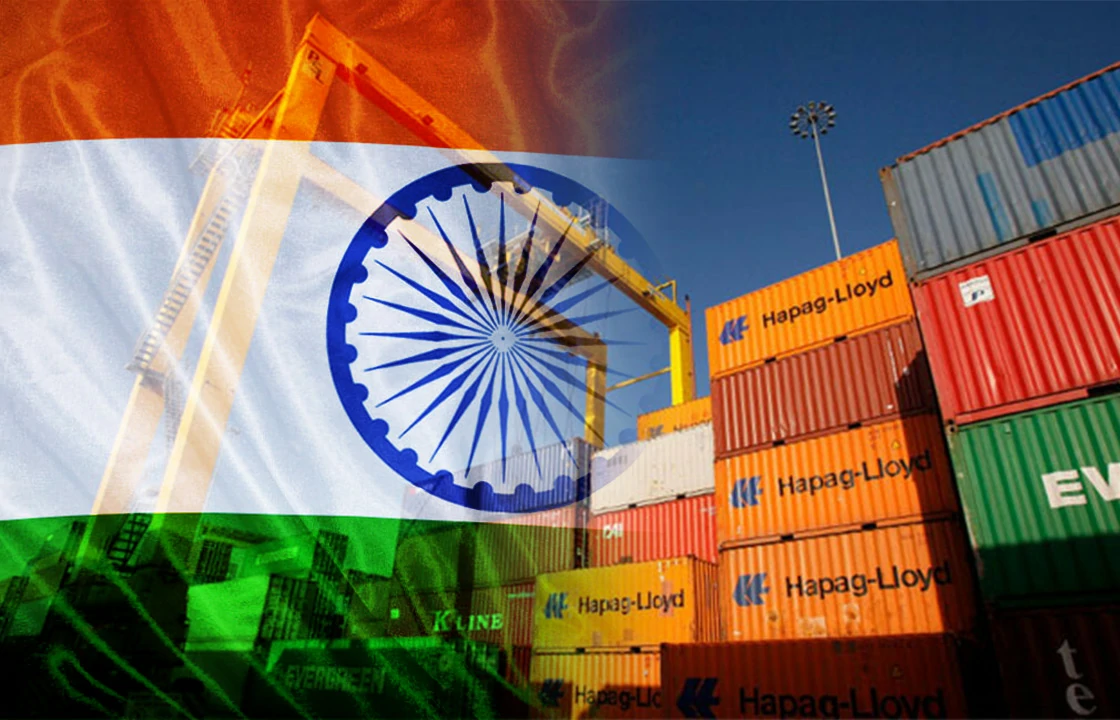
India Braces for Anti-Dumping Duty on Mono-Toner Cartridges
India Braces for Anti-Dumping Duty on Mono-Toner Cartridges
With the Indian government poised to impose anti-dumping duties (ADD) on imported mono-toner cartridges, the imaging consumables industry is preparing for a significant shift, as reported by Imaging Solutions.
The move, debated for over a year, is expected to reshape pricing, sourcing, and competitive dynamics across the sector. While domestic manufacturers largely view the upcoming duty as an opportunity, many import-reliant brands warn of immediate disruption.
Concerns Over Supply Gaps and Quality Limitations
Several import-driven companies argue that India’s domestic production capacity—currently estimated at meeting only 10% of national demand—falls far short of requirements. They note that local manufacturers offer limited cartridge variants compared to the roughly 250 needed in the market. Many also point out that locally assembled units still rely heavily on imported components and often cannot match the consistency or finish of imported products. These companies believe ADD will primarily lead to higher prices that ultimately burden end users.
Some distributors warn that with thin margins already under pressure and the rupee weakening against the dollar, the added duty could make imports temporarily unviable. Others suggest that imposing ADD on the full range of cartridges, instead of rolling it out in phases, leaves the industry with little time to adjust.
Support for Domestic Manufacturing and Long-Term Benefits
Domestic manufacturers, on the other hand, widely support the duty. They view ADD as a catalyst for building a stronger local ecosystem, improving India’s self-reliance, and creating employment. Many compare the situation to the early days of India’s mobile-phone manufacturing industry, which initially struggled but eventually scaled into a global export hub.
Supporters argue that ADD will level the playing field after years of competition with low-priced imports. They say the duty will revive refilling and remanufacturing businesses, encourage foreign investment in local production, and strengthen “Make in India” and “Atmanirbhar Bharat” initiatives. Several domestic players acknowledge current gaps in quality and component availability but believe these will improve as more manufacturers enter the market and production volumes rise.
Calls for Ecosystem Development
A recurring theme across both camps is the need to develop a domestic supply chain for components. Even some ADD supporters agree that India still lacks the infrastructure to produce key parts, forcing manufacturers to rely on imports and limiting their ability to scale. Without addressing this gap, critics argue, ADD may simply raise prices without significantly boosting actual manufacturing.
Despite differing viewpoints, most industry participants accept that ADD is imminent and will bring near-term price increases. Import-dependent brands are already revising inventory plans and product portfolios, while domestic manufacturers are preparing to expand capacity.
In the short run, the market is expected to experience higher costs and supply constraints. In the long run, the duty may stimulate broader investment in Indian manufacturing—though opinions sharply diverge on how quickly those benefits will materialize. For now, the sector is bracing for a transitional period that may reshape the competitive landscape for years to come.
Related:
- Five 2025 Trends Defining the Printing Industry
- AI & Environmental Regulations to Reshape Print Industry
- How Anti-Dumping Duties on Chinese Black Toner Cartridges Would Harm India
- Unmasking The Menace of Dumping in Global Trade
Comment:
Please leave your comment below about the news: India Braces for Anti-Dumping Duty on Mono-Toner Cartridges.





Leave a Comment
Want to join the discussion?Feel free to contribute!