 Monday, August 3, 2026
Freedom: What Does It Really Mean to You?
Late at night in the city of Ganzhou in Jiangxi Province in China, I found myself dancing on the street with total strangers. Music played, people gathered, and joy filled the air. I didn’t realize my wife had her iPhone out at the time, recording the moment, but watching the short video later made me reflect on what that scene really represented: freedom.
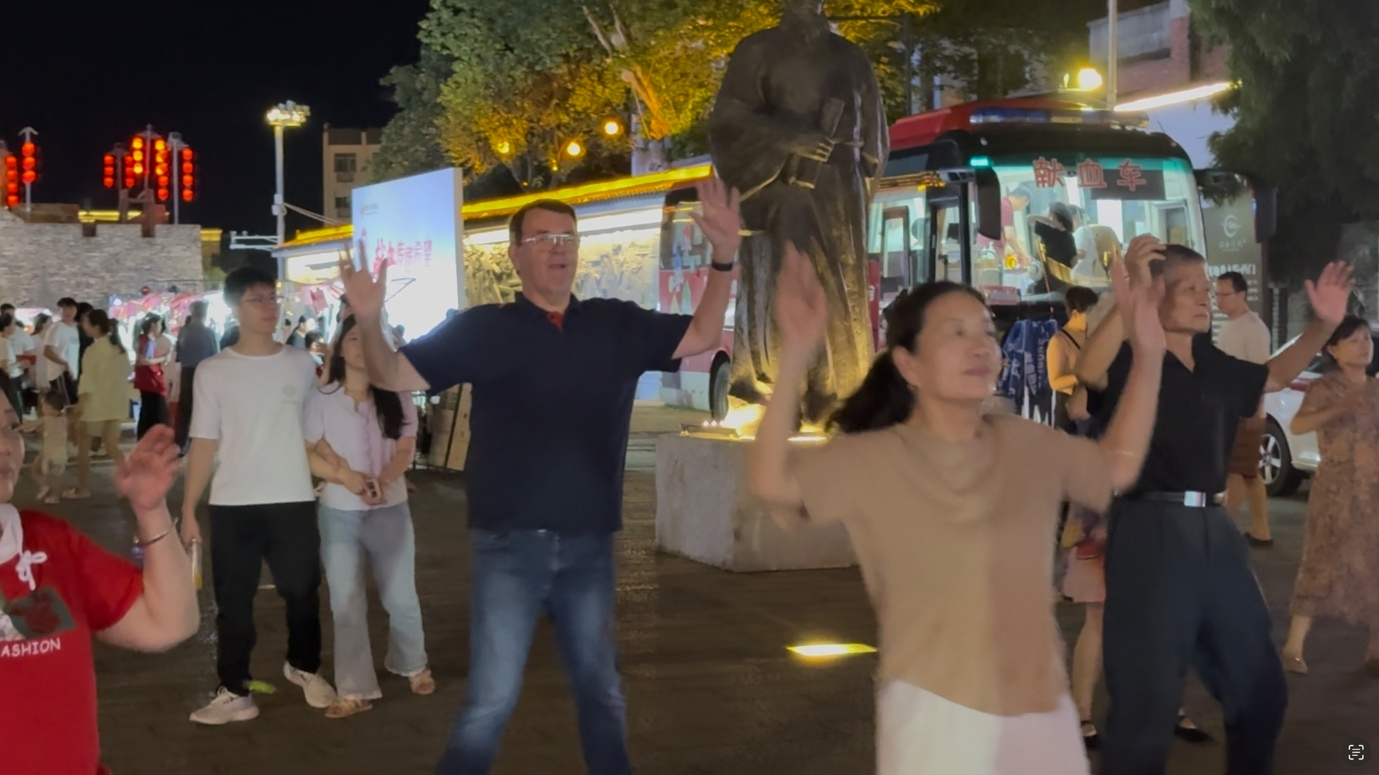
I posted the short clip onto social media, but was not prepared for the thousands of comments that followed. A spectrum of views from those who would argue with me and from those cheering me on.
Not the kind of freedom tied up in politics or grand ideals, but the simple, everyday freedom to live without fear.
That experience challenged me to think more deeply about what freedom really means and to realize that it looks very different depending on where you live and where you stand.
The Many Faces of Freedom
My American friends often argue with me that true freedom lies in free speech, the right to assemble, and the right to bear arms. These freedoms are central to the American identity, and many people view them as non-negotiable.
But they come with a cost. The U.S. continues to grapple with mass shootings. There were 40,886 gun-related deaths in 2024, with 5,200 of them being children. The high rates of violent crime and drug-related violence affect communities every day. Freedom, in this context, is real and valuable, but it carries a heavy toll.
In China, where I lived for 12 years, freedom takes on another shape. Gun ownership is virtually non-existent, crime rates are low, and people live with a sense of personal safety that is rare in many other parts of the world.
My wife can, and does, walk down the street alone at midnight without fear. Friends send their children to school without worrying about shootings. The police didn’t need to carry weapons because they rarely faced the kind of violent crime common in other societies. That, too, is freedom—freedom from fear.
Both versions are real, and both are incomplete. Freedom is never absolute, and it always comes at a cost.
Freedom Is Never Free
We often talk about freedom as though it were a universal, unqualified good. But freedom is never free. It comes with responsibilities, compromises, and costs.
The cost of free speech is that we must tolerate voices we disagree with, and even voices that offend us. The cost of the right to bear arms is often measured in human lives lost to violence. The cost of safety and order, in some societies, may be a limit on political expression or the press.
Freedom is always being negotiated, reshaped, and redefined by culture, history, and circumstance. No society offers every form of freedom perfectly. Each prioritizes some freedoms at the expense of others. The question is not whether one country’s version of freedom is better than another’s.
And it begs the question: have we thought deeply about which freedoms matter most to us, and whether we are willing to accept the costs that come with them?
A Personal Challenge
China has recently opened its borders to citizens from 75 countries with visa-free entry. It’s a smart move by the Chinese government to have Westerners visit and see the country for themselves rather than relying on the second-hand, “propaganda” accounts in Western media and government sources.
I encourage Westerners to come and experience daily life in China. You may find, as I did, that the safest country in the world feels very different from what you expected.
But beyond travel and geopolitics lies a more personal question. What does freedom mean to you?
- Is it the ability to speak your mind without consequence?
- Is it the peace of mind that comes from living in a safe community?
- Is it the chance to build a business, to practice your faith, or to send your children to school without worry?
Freedom is not a one-size-fits-all concept. It is shaped by culture, context, and values. But one thing remains constant: it is never free. It comes at a cost, whether in responsibility, vigilance, or sacrifice.
So, I’ll leave you with a challenge: What is the kind of freedom that matters most to you?
Once you answer that question, you’ll better understand what you’re willing to defend, what you’re prepared to sacrifice, and how you’ll respect the freedoms of others that may look different from your own. Because freedom, your freedom, my freedom, our freedom, is precious. It is worth the cost.
 About the Author
Known for his insight and leadership over five decades, David Gibbons is a former school principal, printer cartridge remanufacturing business owner, and past president of the Australian industry association, ACRA. His communications career includes senior roles in broadcast journalism, public relations, corporate communication, publishing, and event management. David lived and worked in China for 15 years and continues to mentor and consult in the global imaging supplies industry.
Related:
- Winter is Coming for the Imaging Industry
- Call on ETIRA to Reveal More About Non-compliant Cartridges
- Just a Minute: Western Visitors to China Are Angry
- Some Quick Ink Facts I Bet You Never Knew
- Anger Over Exaggerations Lies and Deceit
- Invention—”Doing Our Part in Order to Create a Better Future”
- Einstein: Discovering the Impossible
- The Challenges of Remanufacturing in China
- Can the Chinese Really Deliver What the Rest of Us Want?
- Using Chip Technology to Control Consumer Choice and Markets
- 5 Quick Questions: Investing in Your Supply Chain
- A Misplaced Australian in China – a different world view
- What the Dickens? Americans used to abuse IP rights too.




Leave a Comment
Want to join the discussion?Feel free to contribute!