 Friday, August 7, 2026
EU Commission Reveals Gaps in E-Waste Directive
EU Commission Reveals Gaps in E-Waste Directive
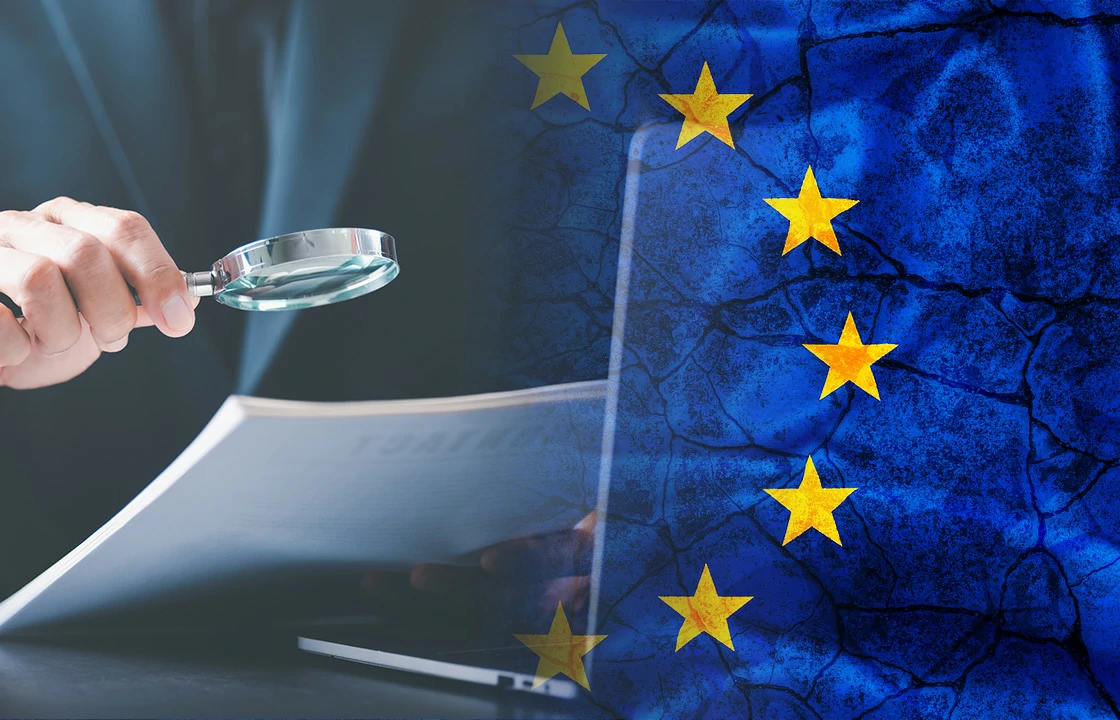
The European Commission recently published an evaluation of the Waste Electrical and Electronic Equipment (WEEE) Directive, which has been effective for over 20 years. However, the evaluation results suggested that much remained to be reevaluated and adjusted regarding the implementation of the directive.
Since its launch, the WEEE has been setting minimum requirements for waste collection and treatment. Notably, toner cartridges and colour toner are also required to be removed from printers and collected as a minimum. Although the programme did generate positive outcomes, significantly increasing the amount of waste collected during 2012-2021, it has not fully realized the initial goal since the majority of the aforementioned waste is generated from imported equipment into EU. Half of the WEEE is still not properly collected. Furthermore, the directive has not attached enough significance to material recycling, resulting in a mere 40% of WEEE properly recycled.
According to the Commission, the WEEE Directive aligns with the subsidiarity principle and other EU initiatives, exerting an overall positive effect on all sectors involved. Still, five primary issues exist that could be further attended to:
- Limited Scope: Under the current directive, products related to renewable energy and digital technologies, which may generate waste rich in critical raw materials, are not given sufficient attention.
- Unfinished Collection Target: In 2022, only Bulgaria, Latvia, and Slovakia met the WEEE collection target of 65%. Economic factors, illegal trade, lack of infrastructure, and low public awareness were barriers to reaching the collection target. Additionally, differing interpretations and calculation methods further complicated collection efforts.
- Failure of Material Recovery: Valuable materials are lost due to the low collection rate and lack of incentives for recovering secondary raw materials.
- Weak Enforcement: Despite the Extended Producer Responsibility principle that the EU has established to oblige manufacturers to cover product end-of-life costs from the design phase, the scheme has not been comprehensively implemented or enforced, especially on online channels.
- Inconsistent Treatment: Although progress has been made in environmentally sound handling and proper treatment of WEEE, only about 23% of recycling facilities in the EU implement high-quality treatment standards.
These findings confirm for the printing and imaging industry that the current system disproportionately benefits single-use, linear models, especially new-build cartridges and printers that are imported into the EU without contributing to national EPR systems.
“For every single-use clone that enters, two reuse cycles are lost,” said Javier Martinez, ETIRA president. “The empty OEM cartridge is not reused, and the clone cannot be reused. That is devastating for circularity.”
The European Commission believes that the current programme of collecting and treating electronic waste is relevant but only needs further support and incentive. In the future, the Commission will carefully consider the evaluation findings during the revision process for the WEEE Directive, as part of the Circular Economy Act.
Related:
- 3D Printing Market Expected to Quadruple in Years
- Digital Printing Thrives in US & Western Europe
- Ink Tank Models Drive Printer Shipment Growth in Q1
- Thermal Printer Market Grows with E-commerce Trend
- Nine Tenths of Employees Unaware of Printer Security Threats
Comment:
Please leave your comment below about the news: EU Commission Reveals Gaps in E-Waste Directive.

Leave a Comment
Want to join the discussion?Feel free to contribute!