 Thursday, July 30, 2026
Hybrid Printing Technologies Advance Industrial Customization
Hybrid Printing Technologies Advance Industrial Customization
The evolving printing technologies are helping manufacturers meet rising demand for faster production and greater product customization, according to Programming Insider.
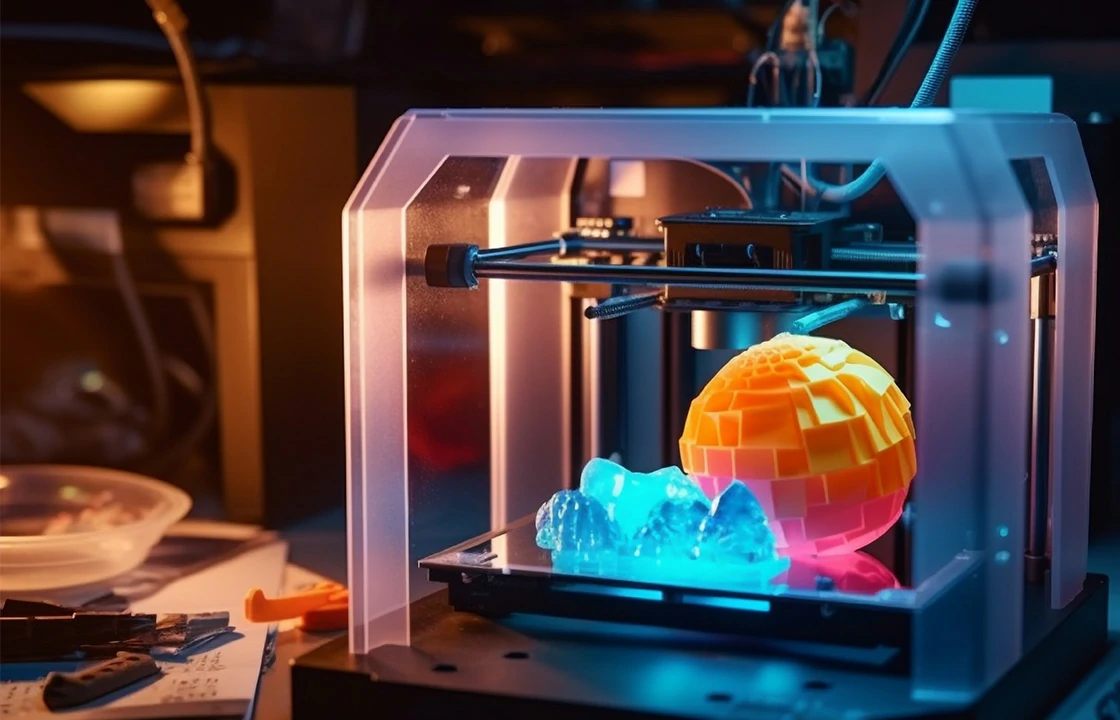
Historically, traditional printing systems were designed primarily for large-scale, repetitive output. However, modern markets increasingly prioritize flexibility, short production cycles, and personalized designs. In response, hybrid digital printing technologies have begun to play a larger role in manufacturing workflows.
One development highlighted in the report is the growth of hybrid printing systems that combine ultraviolet (UV) printing with transfer-based methods. Rather than printing directly onto a final product, these systems first print high-resolution designs onto film. The design can then be transferred onto a wide variety of surfaces, including curved or irregular objects. This method helps improve adhesion while maintaining image quality across materials.
A notable example of this approach is UV Direct-to-Film (UV DTF) printing technology. Unlike conventional UV flatbed printers, which apply ink directly onto a substrate, UV DTF systems create transfer films that can later be applied to different surfaces such as glass, metal, acrylic, plastics, and coated materials. This flexibility expands the range of potential applications.
Industries such as promotional product manufacturing, packaging customization, and small-batch branding are among those benefiting from the technology. Businesses can produce detailed, full-color graphics without the extensive surface preparation typically required by traditional printing processes.
Technically, UV DTF systems integrate precision inkjet printheads with UV curing lamps that instantly solidify the ink during printing. This eliminates drying time and helps increase production efficiency. In addition, modern RIP software allows operators to control color profiles, print resolution, and white ink layering with greater precision.
Another advantage is scalability. Compact digital printing systems enable smaller production facilities to adopt professional-grade technology without requiring large industrial setups. Automation features—such as intelligent height detection, optimized ink circulation, and controlled curing environments—also contribute to improved reliability and reduced operational downtime.
As supply chains shift toward localized production, hybrid printing technologies are increasingly supporting on-demand manufacturing models. By reducing inventory requirements and enabling rapid customization, UV DTF systems are helping businesses respond more quickly to changing market needs while expanding the possibilities of digital printing beyond traditional applications.
Related:
- Delhi Assembly Goes Paperless
- What do Industry Experts Anticipate in 2026
- AI Expected to Reshape Document Workflow in 2026
- European SMEs Push AI Adoption Amid Economic Headwind
- EU Moves Toward Binding Reuse Targets in Printing Sectors
Comment:
Please leave your comment below about the news: Hybrid Printing Technologies Advance Industrial Customization.



Leave a Comment
Want to join the discussion?Feel free to contribute!